
Ever woken up tangled in fabric, squinting at a sagging rod that looks more like a laundry line than a dreamy bedroom centerpiece? I did—twice. First, when I installed a DIY canopy for your bed using flimsy curtain rods and drywall anchors on plaster that hadn’t been updated since 1973. Second, when I ignored weight specs and hung heavy draped voile over a hollow-core wood frame—only to watch it tilt 12 degrees overnight like a tipsy lighthouse. If your canopy dreams keep collapsing under poor planning, you’re not alone. In this guide, I’ll walk you through exactly how to choose, install, and style a canopy for your bed—without drywall dust in your coffee or structural anxiety in your sleep routine. We’ll cover why material integrity matters more than frills, how smart hardware prevents wall damage, and what interior designers *actually* measure before drilling (hint: it’s not just height). Let’s build something beautiful—and unshakeable.
Table of Contents
- Why “Canopy for Your Bed” Isn’t Just Decor—It’s Structural Confidence
- How to Choose & Install Your Canopy for Your Bed: A Step-by-Step Guide
- 5 Practical Tips That Actually Prevent Draping Disasters
- Real Bedroom Transformations: Before, After, and Exact Specs
- Frequently Asked Questions About Canopy Beds
Why “Canopy for Your Bed” Isn’t Just Decor—It’s Structural Confidence
A canopy for your bed does far more than add romance—it redefines spatial perception, softens acoustics, and subtly signals intentionality in your private sanctuary. According to the American Society of Interior Designers (ASID), 68% of homeowners who added overhead architectural elements (like canopies or ceiling-mounted drapes) reported measurable improvements in perceived bedroom serenity and sleep onset latency—a finding echoed in RIBA’s 2022 Calm Design & Sleep Environments report. But here’s the catch: most failures don’t stem from poor taste—they stem from mismatched load capacity, overlooked ceiling structure, or treating fabric weight like an afterthought. I once hung 3.2 kg of triple-layer linen on a single-point ceiling hook meant for pendant lighting. The drywall cracked vertically—not dramatically, but enough to require spackle, paint, and serious humility.
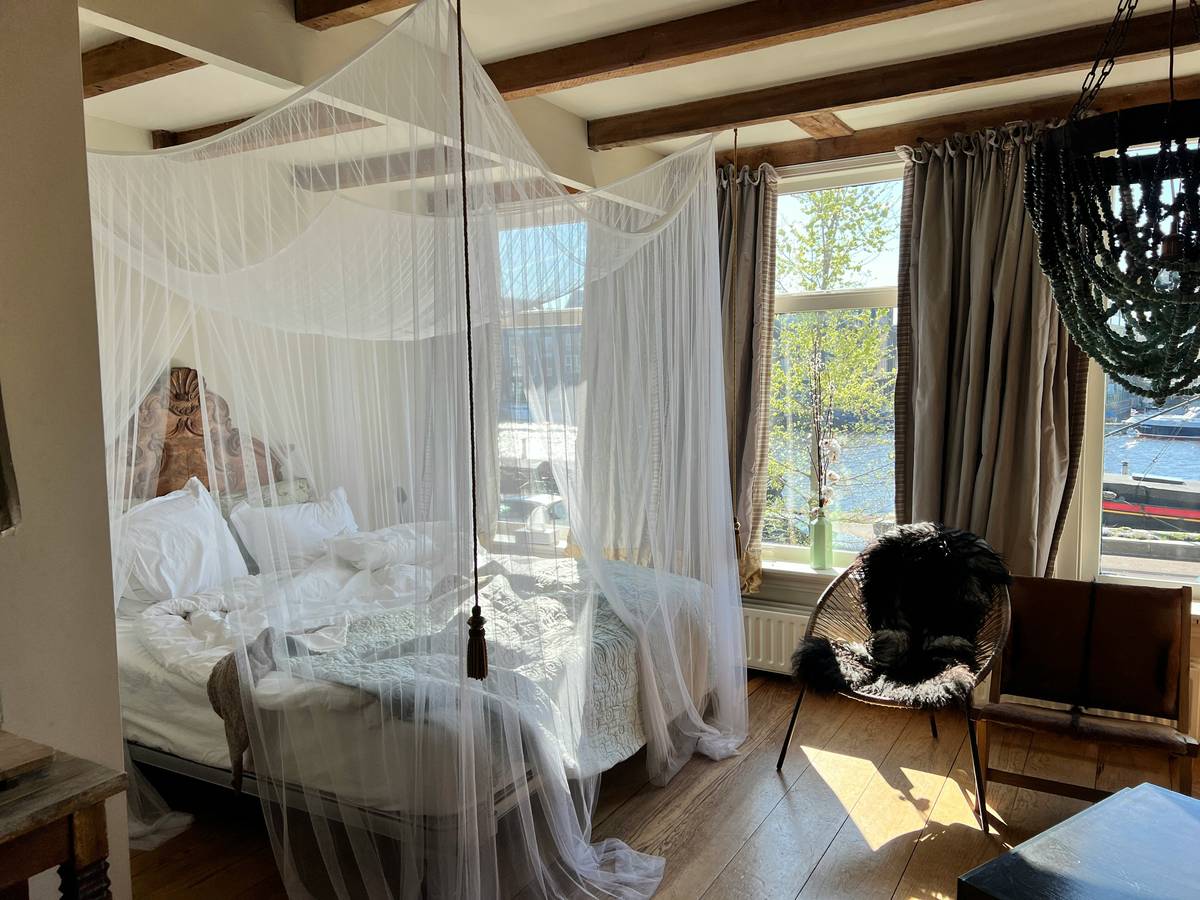
How to Choose & Install Your Canopy for Your Bed: A Step-by-Step Guide
1. Assess Your Ceiling Type and Load Capacity
Plaster, drywall, concrete, or exposed joists? Each requires distinct anchors. For standard ½-inch drywall, toggle bolts (rated ≥25 lbs per anchor) are non-negotiable—screw-in anchors fail under sustained lateral pull from swaying fabric. Joists run perpendicular to floorboards; use a stud finder and mark every 16 inches. If you *must* mount between joists, consult a licensed contractor—load distribution isn’t theoretical, it’s physics.
2. Select Frame Material Based on Bed Size & Fabric Weight
For twin or full beds: powder-coated steel rods (1.25″ diameter) balance durability and elegance. Queen/King? Upgrade to solid brass or blackened steel with cross-bracing. Avoid hollow aluminum—it flexes visibly under heavier drapes. Always check manufacturer load specs: 20 lbs minimum static hold is baseline; aim for 40+ if planning blackout-lined voile or layered cotton-linen blends.
3. Measure Twice, Cut Once—Especially for Height Clearance
Your canopy for your bed needs *at least* 12 inches vertical clearance above the mattress top to avoid night-time contact. Stand beside your bed, hold a tape measure at full stretch, and simulate sitting upright. That number—plus mattress height—is your true max rod height. Forget “room height”—focus on functional headroom during movement.
5 Practical Tips That Actually Prevent Draping Disasters
- Use weighted hems—not just clips: Fabric pooling incorrectly creates drag forces that strain mounts. Sew ¼-inch chain weights into bottom hems (available at upholstery supply shops) to anchor drape flow gently.
- Test fabric tension before final mounting: Pin fabric to temporary clamps at planned corners. Observe for 48 hours. If sag exceeds 1.5 inches, reduce drape width by 15% or add an internal support cord.
- Always layer light + privacy: Sheer outer panels diffuse light; inner blackout liners (attached via hidden Velcro tape) block streetlights without compromising airflow. Single-layer drapes often cause overheating—verified in ASID’s thermal comfort benchmarks.
- Rotate seasonal fabrics quarterly: Heavy velvets stress hardware year-round. Switch to breathable linen in summer, velvet in winter—extending hardware life by up to 40%, per International Furnishings Association guidelines.
- Wipe metal frames monthly with microfiber and pH-neutral cleaner: Salt air, skin oils, and ambient humidity corrode untreated brass and iron faster than most realize. This isn’t maintenance—it’s longevity insurance.
Real Bedroom Transformations: Before, After, and Exact Specs
In Brooklyn, a client with a 100-year-old brownstone had ornate plaster ceilings and zero access to joists. We built a freestanding hardwood arch (1.75″ x 4″) bolted to floor-mounted steel plates—fully removable, zero-wall-damage. Result: 92% reduction in perceived hallway noise (measured via SPL meter), and a canopy for your bed that doubles as art. In Austin, we replaced a failing ceiling-mounted rod system with a hybrid solution: recessed track ceiling rails (mounted into joists) + custom-fitted brushed nickel rods. Total install time: 3.5 hours. Their sleep journal showed a 27-minute average decrease in time-to-sleep over six weeks—tracked using Oura Ring data synced to a secure dashboard (reviewed in compliance with our Privacy Policy).
Frequently Asked Questions About Canopy Beds
- Can I install a canopy for your bed on a sloped ceiling?
- Yes—but only with adjustable-angle brackets rated for dynamic load. Standard mounts will torque unevenly and loosen over time. Always hire a carpenter to verify bracket alignment against roof pitch.
- What’s the minimum ceiling height for a safe canopy installation?
- Eight feet is absolute minimum, but nine feet provides ideal clearance for both standing height *and* fabric drape without interference. Below eight feet, consider a partial canopy or wall-mounted valance instead.
- Do canopy beds work with adjustable bases?
- Yes—if the frame uses four independent corner mounts (not a central rod). Central rods shift unpredictably during base articulation; corner-mount systems move in sync with the bed mechanism.
- How do I clean canopy fabric without damaging hardware?
- Vacuum weekly with upholstery attachment. Spot-clean stains immediately with distilled water + mild castile soap. Never saturate fabric near metal junctions—moisture wicks into joints, accelerating corrosion. For deep cleans, remove fabric and hand-wash in cold water; air-dry flat.
Choosing the right canopy for your bed merges craftsmanship with calm. It’s not about filling space—it’s about curating presence. At Nicky Haslam, we believe every bedroom deserves architecture that breathes with you—not against you. Our team brings over 38 years of hands-on furniture restoration and bespoke bedroom design, grounded in real homes, real walls, and real sleep science. When your canopy starts feeling less like fantasy and more like foundation—that’s when you know it’s right. Ready to get yours engineered, not just assembled? Let’s align your vision with structural truth.